


Why January is the Perfect Time to Start Dance Classes?
January feels like a fresh start, doesn't it? New Year, new goals, new possibilities. It's the season when parents across Exeter are asking, "What activity will help my child grow in 2026?"
The answer many families discover: dance classes.
But why does January stand out as the perfect time to enrol your child in dance? It's not just about New Year's resolutions (though those help). It's about psychology, momentum, and creating lasting change. Let me explain.

The January Advantage: Why This Month Matters
January is when most dance studios launch new sessions. At DanSci, we're opening our doors to new students, which means:
- Your child joins a cohort of other beginners – Everyone's nervous, everyone's learning together, and friendships form quickly when you're all in the same boat.
- Fresh start momentum – New instructors, new class routines, new energy. Your child isn't joining an established group mid-stream; they're part of the founding group of the season.
- Better class structure – New term = classes designed with foundations first. Perfect for kids trying dance for the first time.
The New Year Mindset Advantage
Psychologically, January taps into something powerful: goal-setting motivation . Research shows that people are 10x more likely to pursue goals in January than any other month. Here's why starting dance in January works:
1. Children embrace the "fresh start" feeling too – When you tell your child, "January is a time for new adventures," they get excited. It feels special, intentional, like they're choosing to grow.
2. Goals stick better with momentum – Studies show that habits formed in January are more likely to stick long-term (through to March+) because they're linked to the broader New Year energy.
3. Parents are more committed – When you enrol your child in January as part of a family goal ("We want to try new things this year"), you're more likely to prioritize classes and follow through.
Natural Break in School Holidays
Christmas break ends early January (depending on school), which means:
- Routines are resetting anyway
- Kids are energized after the holidays
- Families have time to establish new weekly commitments before spring activities kick in
The Confidence Building Advantage
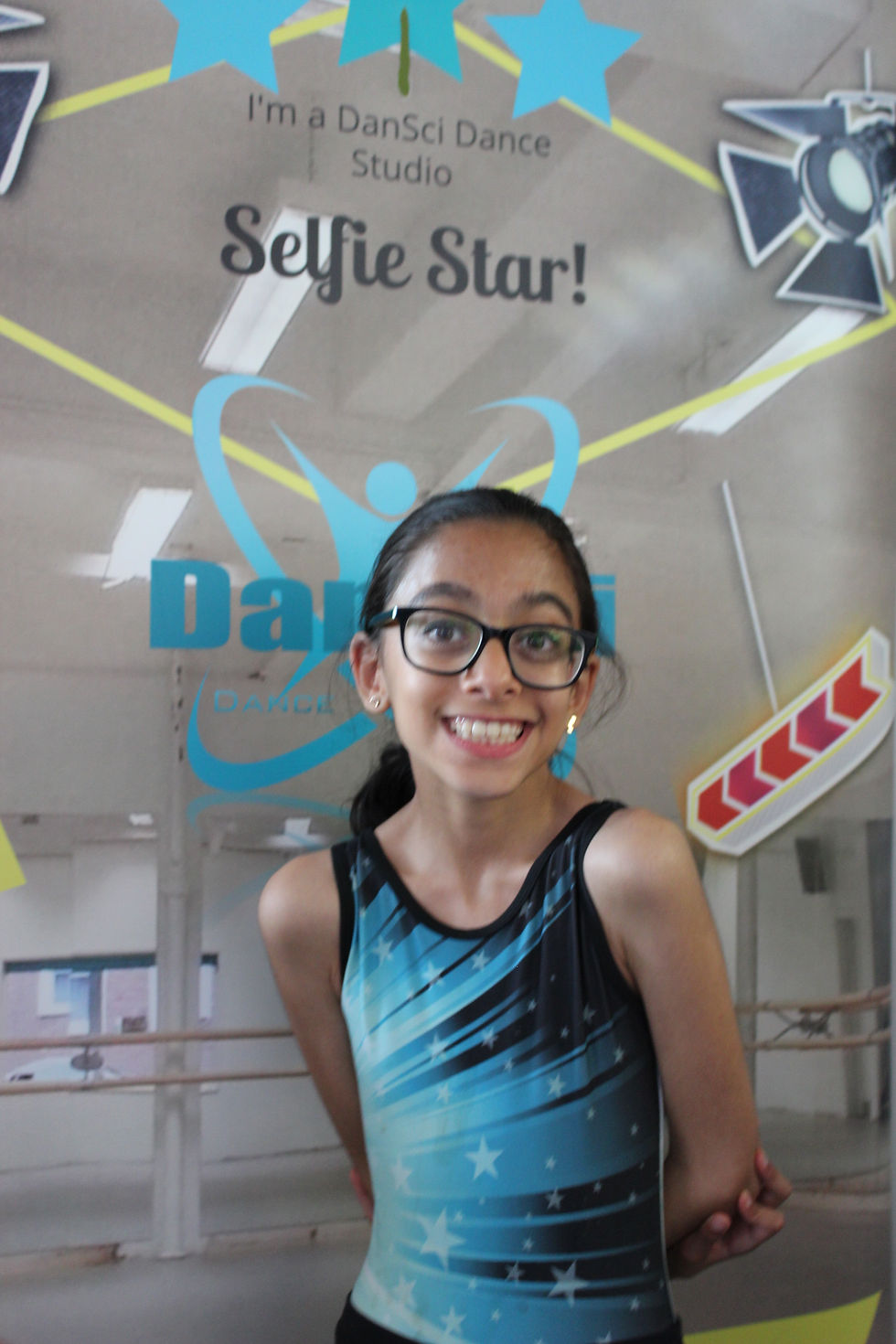
Here's something parents tell us again and again: "My child started dance in January, and by March, they were a different kid."
Why does this happen? - Weekly Structure Builds Stability
Confidence doesn't appear overnight; it's built through consistent practice and safe repetition. A weekly dance class creates:
- A reliable commitment (same day, same time, same place)
- Predictable challenge (each week, new skills build on the last)
- Safe space to fail and try again (dance is forgiving that way)
By February and March, your child has established 4-8 weeks of experience. That's enough to feel competent, make friends, and start wanting to come to class. That's when the real transformation happens.
Peer Learning Accelerates Growth
When other kids are learning alongside your child (instead of being established dancers), the dynamic shifts:

- No comparison anxiety ("Why can't I do what the advanced kids do?")
- Celebration of small wins ("We all learned the same combination today!")
- Built-in friendship network (you're learning together)
The Goal-Setting Edge
January gives you a unique opportunity to involve your child in intentional goal-setting . Try this conversation:
"In 2026, I'd like you to try something new. What sounds fun to you? Dancing? Circus arts? Let's try it together."
When children feel like they're choosing the goal (even though you guided it), they're more invested. And research on motivation shows that self-directed goals are pursued with 40% more effort than goals imposed on them.
Goals could be:
- "I want to learn to dance" (simple, clear)
- "I want to feel confident on stage" (stretch goal, achievable)
- "I want to make new friends who love dance like me" (social goal)
- "I want to try something I've never done before" (brave goal)
By February, you could have a child with a new habit, new friends, and new confidence.
The Science: Why January Works
We love a bit of science here at DanSci and there is so much science to back up the reasoning. Psychologists call it the "fresh start effect"—the tendency for people to pursue ambitious goals after temporal landmarks like New Year, birthdays, and new school years.
Why? Because these moments feel like a psychological reset. The old version of your child feels behind them. The new version is ahead of them. And they're motivated to live up to that new identity.
A study by researchers at the University of Pennsylvania found that:
- 52% of January goal-setters succeed (vs. 4% of non-January setters)
- Consistency is highest in the first 4-8 weeks of a commitment
- Goals linked to identity ("I'm a dancer") stick better than goals linked to outcomes ("I'll lose weight")
For children, starting dance in January ties into their emerging identity: "I'm someone who tries new things. I'm brave. I'm a dancer."
Practical Advantages of January Enrolment
1. Flexible Payment & No Mid-Term Pressures
Most studios (including DanSci) structure sessions around seasons. January starts a fresh term, which means:
- You're not joining mid-term (no awkward catch-up)
- Payment plans align with the new year
- No pressure about "abandoning" a partial term
2. Class Availability
January classes are fresh and available. Popular time slots fill quickly, but you have options. By March, certain classes might be full. Start now, secure your spot.
3. Holiday Motivation
Kids are energized after winter holidays. The "I'm bored" complaints that hit mid-January? Dance class is the solution. Enrol in early January and by week 2, you'll have a child excited about their weekly class.
4. Performance Opportunities Ahead
Most dance studios plan performances and recitals around spring/summer. If your child starts in January, they'll be prepared for:
- Spring competitions
- Summer performances
- Year-end recital
They'll feel like real members of the dance community, not latecomers.
A Word on Nerves (Because They're Normal)
Many parents hesitate: "My child is nervous about starting something new."
That's completely normal. And here's the good news: January is actually the least scary time to start because:
1. Everyone's nervous – Your child isn't the only beginner. The whole new cohort is learning together.
2. Teachers expect nerves – January instructors are trained for excited, anxious, first-time dancers. They know how to make them feel welcome.
3. Nerves transform into pride – By week 3-4, those nerves become excitement. And the pride your child feels? It's worth the initial hesitation.
At DanSci, we make first-time dancers feel like they belong from day one. We promise.
Your January Action Plan
Week 1: Tell your child about the exciting news. "You're going to try dance class! Here's what to expect..."
Week 2: First class happens. Encourage and celebrate the effort, not the perfection.
Week 3-4: Watch confidence build. New friendships forming. Your child starts asking, "Can we go to dance class today?"
By February: You'll have a child with a new habit, new skills, and new confidence.
Start Your Child's Journey Today
January is fleeting. Spots are filling. This is the moment when your child could start their dance journey—the moment they discover confidence, community, and joy in movement.
The question isn't whether dance is worth trying. The question is: will 2026 be the year your child discovered something amazing about themselves?
Or, if you'd like to learn more about our programs first, explore all our different Youth Classes from HERE
Questions?
We'd love to hear from you! Email us at info@dansci.co.uk or call/WhatsApp: 01392 41222. We're here to answer any questions about our programs, schedules, or first-time dancer concerns.
About DanSci Dance Studio
DanSci is Exeter's leading neurodiversity-affirming dance studio, serving children ages 3-17 across three programs: Youth Dance Classes, Baby Ballet, and Showtime Circus. We believe every child deserves to feel confident, creative, and celebrated. Learn more about us → ABOUT PAGE


Comments